
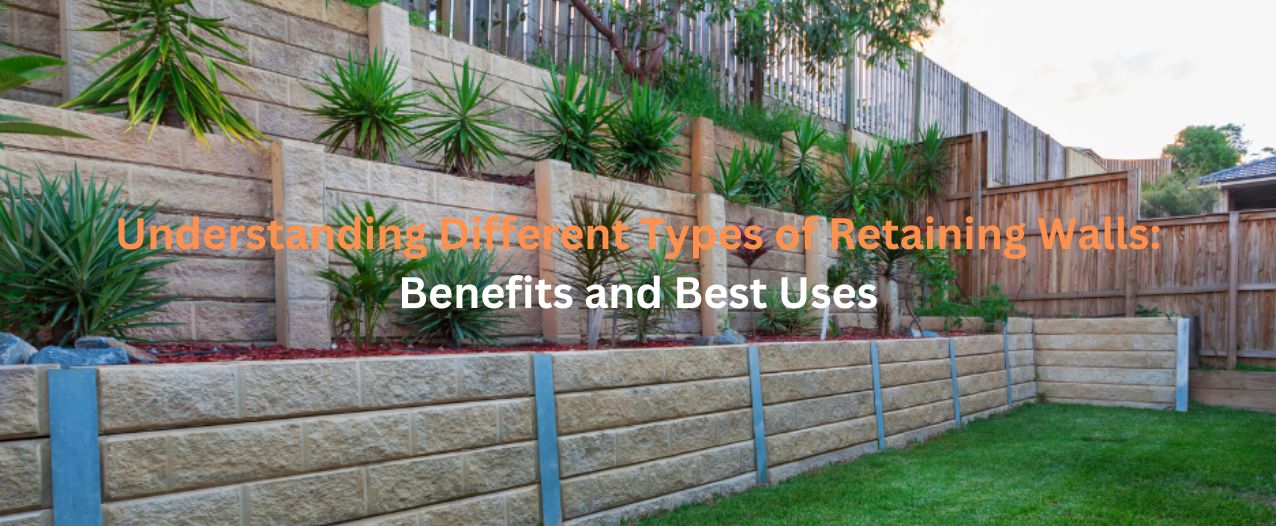
You have a steep backyard, or perhaps you’ve been eyeing the ideal location for a garden, but this annoying slope is getting in the way. “How can I prevent the soil from slipping off and ruining my ideal garden?” is what you’re asking yourself then welcome to the realm of retaining walls if you’re nodding along.
Consider retaining walls to be the unsung heroes of your landscape. In addition to creating usable areas and halting soil erosion, they also happen to look rather awesome. The problem is that there isn’t a single, universally applicable remedy.
You may choose from a variety of retaining wall types, but not all of them will be appropriate for your project. We’ll cover everything in this piece, including the types of retaining wall blocks and retaining walls.
Let’s begin by determining what is best for you.
What Are Retaining Walls?
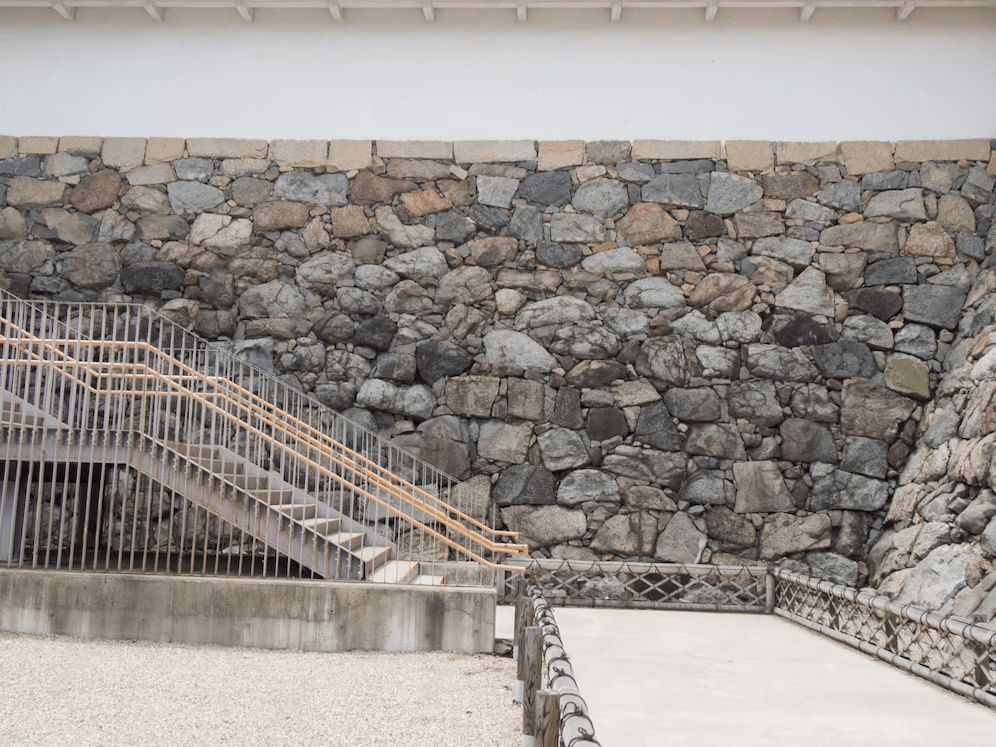
Let’s begin with the fundamentals. Simply put, a retaining wall is a construction that retains soil. The power of retaining wall blocks is evident if you’ve ever seen a garden terrace or a slope that doesn’t slip down after rain.
Types of retaining walls are designed to offset the forces of gravity, water, and soil. But these walls may also be quite fashionable, so it’s not only about usefulness! What is a retaining wall’s primary function? to stop soil erosion and keep it back.
The ground would just flow away without a wall over time, leaving your backyard—or any other place with sloping land—looking disorganized. They keep plants intact, level up uneven spots, and even prevent your road from being washed away.
Key Benefits of Retaining Walls
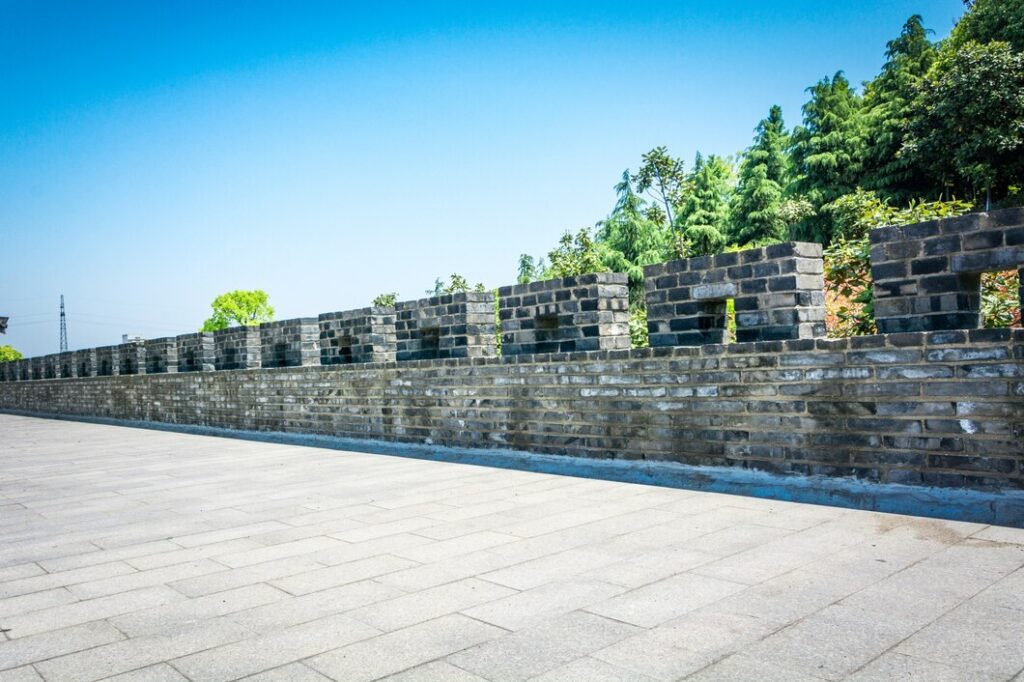
What makes retaining wall kinds important, then? In addition to their attractive appearance, retaining walls have other important advantages. Here’s why investing in them is worthwhile:
Say Goodbye to Erosion
It’s painful to see your yard or garden gradually disappear with each downpour if you’ve ever had to cope with mudslides or soil erosion. Having retaining walls prevents it from occurring. By forming a barrier that keeps the dirt back, they shield your landscape from deterioration.
More Usable Space
Have you ever wished that your sloping backyard might be a flat, functional area? It is possible to turn that uneven area into a patio, garden, or even a playground by installing a retaining wall. All of a sudden, your favorite spot in the yard is that high slope.
Looks Matter Too
We understand. You want a wall that enhances your room, not merely one that serves a purpose. The correct Type of retaining wall blocks may improve your environment, whether you want to use concrete blocks for a sleek and contemporary look or stone for a more natural, rustic feel.
Flood Control
Did you know that flood management may also be aided by retaining walls? These walls can serve as barriers to keep water from flooding your yard or house in places where heavy rain is frequent.
Different Types of Retaining Walls
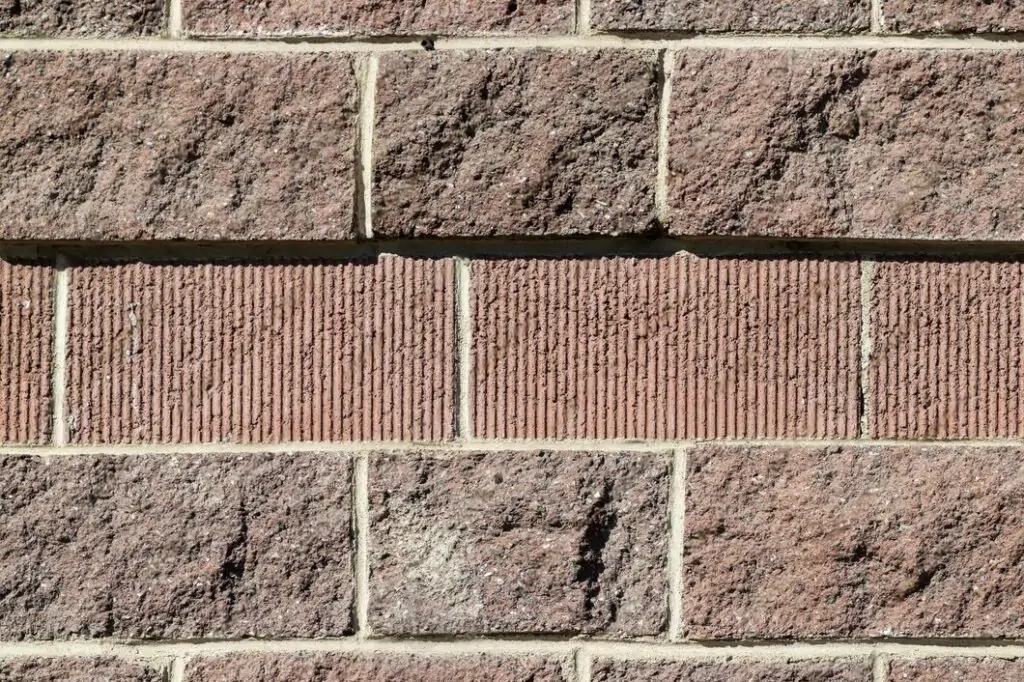
Now for the exciting part: Choosing the ideal type of retaining wall for your project. Retaining walls come in a variety of forms, each with special characteristics. Let’s explore it:
Gravity Retaining Walls
Easy but efficient. Gravity barriers hold back the dirt with their own weight. Simple, substantial materials like stone or concrete are used here—no fancy techniques. This might be your first choice if you have a little to medium-sized space. They also have a tough appearance.
Cantilevered Retaining Walls
The L-shaped construction of these walls allows them to take advantage of the pressure in the earth. They use design creativity rather than just weight, which makes them ideal for higher walls. For this design, concrete is a common choice.
Counterfort Retaining Walls
Consider a wall that is cantilevered and has additional support. The diagonal bracing on counterfort walls increases their stability and strength. This can be a good option if your wall is tall and requires more resistance—think ten feet or more.
Anchored Retaining Walls
An anchored wall may be necessary in severe situations, such as steep slopes or heavy soil. The anchors used to secure these walls are incredibly strong and stable, reaching deep into the ground behind them. ideal for high-stress situations.
Sheet Pile Retaining Walls
A bit more niche, but sheet pile walls are great when you need to keep the soil in place on soft or wet ground. Think of them as the lightweight, less intrusive cousin of the heavier gravity walls. These walls are made from sheets of steel or vinyl driven deep into the earth.
Best Uses for Different Types of Retaining Walls
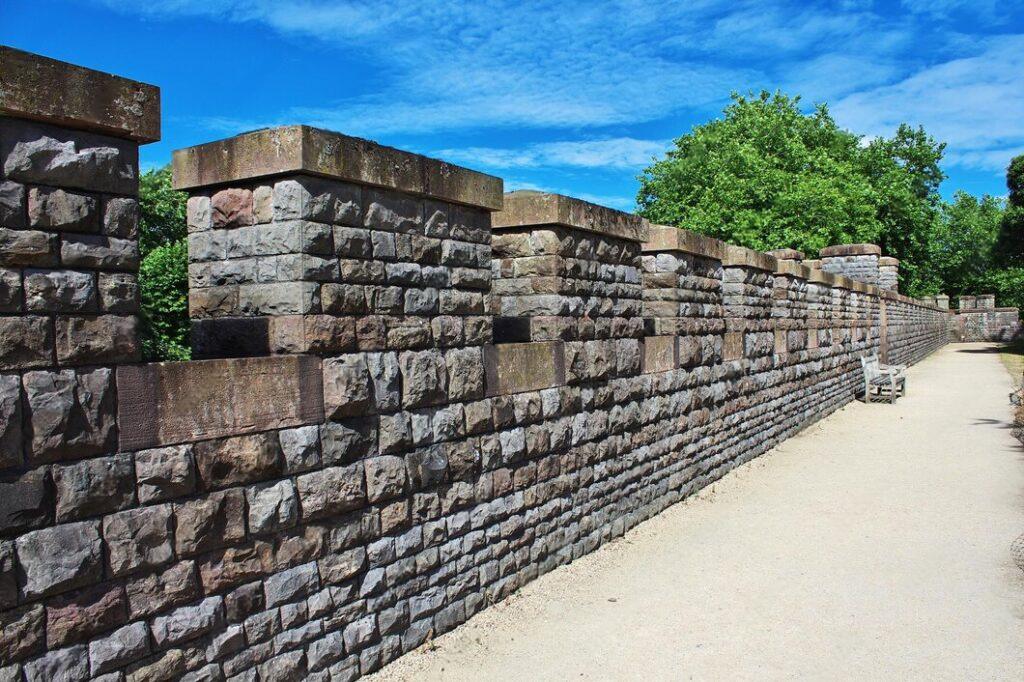
Knowing where and how a retaining wall will be utilized is essential to choose the best one. Here are some instances where each kind of retaining wall excels:
- Small Residential Landscaping: Gravity or segmental retaining walls are typically sufficient for a modest patio or your backyard garden. For retaining soil on lower slopes, they are easy to use, reasonably priced, and efficient.
- Large Commercial Projects: Counterfort or cantilevered walls are perfect for big commercial properties. They provide the stability required for regions with high soil pressure or higher walls.
- Waterfront Applications: The best properties for sheet pile walls are those that are close to water. They are excellent at holding back wet soil and halting erosion near shorelines.
Read Also: Home Remodeling and Renovation Ideas
Conclusion
More than merely useful constructions, types of retaining walls may be used to improve the aesthetics of your property, stop erosion, and change the way you use your area. With the help of this blog now you can easily choose different types of retaining walls and decide what best fits your budget, space, and style.
If you are looking for a reliable sandstone or retaining wall supplier then partnering with us will be the best choice for you. We, Maroota Sandstone, provide an exquisite collection of landscaping products and concrete block retaining walls that will surely make your space more lavish.
So, what are you waiting for? Browse our website today and buy our block retaining wall products that fit best for you.
FAQ’s
Ans: Gravity, cantilevered, counterfort, and anchored walls are the main types of retaining walls.
Ans: Concrete blocks, natural stone, and segmental retaining wall blocks are popular choices.
Ans: The cost of an RCC retaining wall typically ranges from $50 to $100 per square foot, depending on size and design.
Ans: Concrete blocks are generally the most affordable option for retaining walls.
Ans: Natural stone or reinforced concrete blocks are the strongest options for retaining walls.
No responses yet