
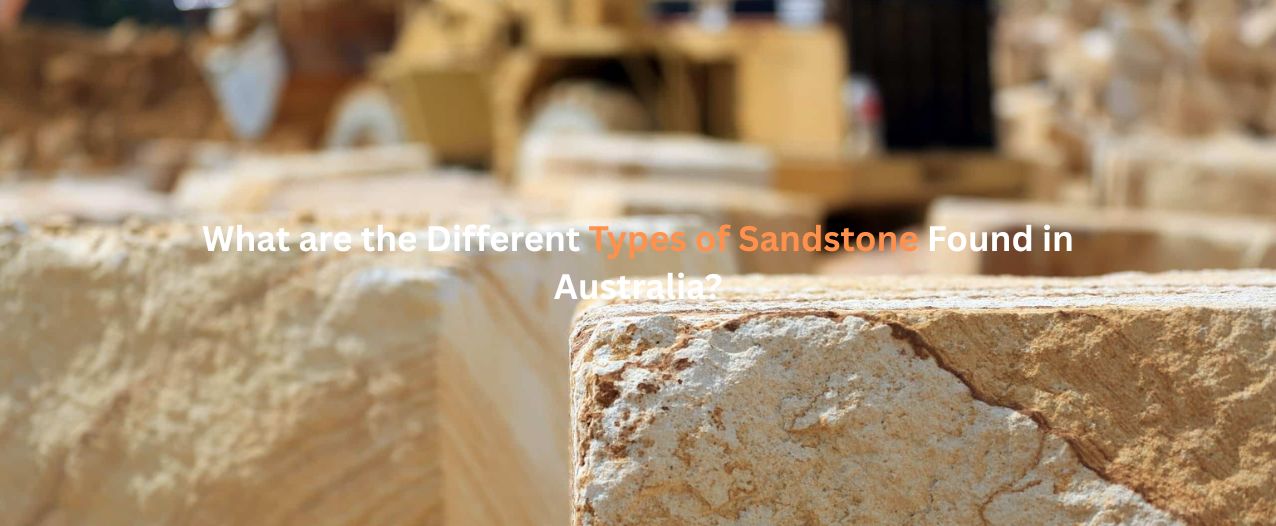
Old buildings, imposing monuments, and even a magnificent garden edging feature in someone’s backyard are likely places you’ve seen. However, have you ever considered how varied sandstone is?
Australia has many different types of sandstone with their own color, texture and personality. This guide will help you find out what is so special about this stone, whether it is for a DIY project, landscaping your backyard, or just plain curiosity.
By the end, nd you will know which type of sandstone will work best for you and why it is such a feature of the Australian-built and natural landscape.
How is Sandstone Formed?
Before we move into the different types of sandstone, let’s look at its origin. It certainly doesn’t happen overnight! Feldspar and quartz minerals have been consolidating and cementing the sand grains for millions of years.
A grain of sand from an ocean beach, a desert sand dune, or an old riverbed is being combined and turned into a rock that we shape, carve, and use every day.
Isn’t nature very amazing? This explains why no two pieces of sandstone have the same appearance. Within its layers, each one has its own past.
Most Popular Types of Sandstone Found in Australia
Australia is fortunate to possess some of the world’s finest sandstone. There are all types of sandstone to suit your preferences, whether they are aggressive and robust or light and beautiful. These are the leading candidates:
Sydney Sandstone
You have witnessed Sydney sandstone in action if you have ever appreciated the city’s old structures. It has existed for ages and has that lovely golden-yellow color. It’s quite durable in addition to having a gorgeous appearance.
For this reason, it is utilized in many historic structures and famous structures like the Sydney Harbour Bridge.
Hawkesbury Sandstone
Architects and builders like this one the most. Hawkesbury sandstone, which is mostly found in New South Wales, has a mixture of gray, pale cream, and even pinkish hues. It’s a pleasure to work with and has been incorporated into anything from contemporary home designs to historic colonial structures.
Queensland Sandstone
Do you want something a little cozier? The earthy reds, creams, and golds of Queensland sandstone are well-known. Originating from locales like Warwick and Helidon, it may be seen everywhere, from the garden edging to the façade of whole homes.
Donnybrook Sandstone
Coming straight from Western Australia, Donnybrook sandstone is known for its pinkish hues. Sandstone log retaining walls have been used in historical buildings, sculptures, and even monuments. If you want something unique, this is a great pick.
Role of Sandstone in Australian Architecture and Landscaping
Not only a rock, sandstone is a part of Australia’s past. Sandstone structures that have withstood the test of time may be found in any large city. It’s not limited to major sites, though. More than ever, homeowners, landscapers, and designers are utilizing it for:
- Building facades provide residences and business structures a classic appearance.
- Paving and pathways are long-lasting and non-slip, making them ideal for outdoor areas.
- Gardens get structure and elegance from retaining walls.
- Cladding and feature walls catch the eye both inside and outside.
No wonder it is a popular choice in landscaping and building—it’s strong, eye pleasing, and easily adaptable.
How to Choose the Right Type of Sandstone for Your Project?
Choosing the right types of sandstone takes more than just looks. Here are a few things to consider:
- Will it be used as a driveway, garden wall, or decorative feature?
- What color and texture—light, dark, smooth, or rough—most reflects your own style?
- Some sandstone types are more resistant and durable to weather.
- Will it require sealing and upkeep? Some types require an extra level of care.
With a bit of consideration, you are sure to get the perfect sandstone for your needs.
Maroota Sandstone: #1 Choice For Every Landscapping Product
It’s difficult to find a better all-around performer than Maroota Sandstone. Why? Since it fulfills every requirement:
- Simple to use: Cuts neatly for a variety of uses.
- Sturdy: Resists weather conditions well.
- Versatile: Looks fantastic on concrete block retaining walls, walkways, gardens, and other surfaces.
We are the best option for anybody working in the construction, landscaping, or home improvement industries since it combines style and practicality.
Read Also: Sydney Sandstone Buildings: A Walk Through History
Wrapping Up
Sandstone is a part of Australia’s natural past and not just a construction material. Every project, no matter how big or small, may benefit from one of the various varieties that are available.
The traditional appeal of Sydney sandstone, the warmth of Queensland sandstone, or the adaptability of Maroota Sandstone are all appealing, but each has its own distinct charm.
Consider the millions of years it took to form the structure the next time you see one made of sandstone.
FAQ’s
Ans: Sydney sandstone is one of the most widely recognized types, thanks to its historical significance and availability.
Ans: Absolutely! It’s durable, weather-resistant, and perfect for pathways, walls, and cladding.
Ans: A simple wash with mild detergent and occasional sealing will keep it looking fresh.
Ans: There are plenty of suppliers across Australia offering high-quality options like Maroota sandstone, which is a top pick for landscaping and construction.
Ans: Prices vary, but with so many options, there’s something for every budget.
No responses yet