
One aspect of pool design that is frequently disregarded yet has a significant impact on the appearance, feel, and even lifespan of your pool is worth discussing. Have you ever visited a pool with strange, jagged, or strange edges?
Ironically, a seemingly little detail like your pool’s edge may have a significant impact on both safety and aesthetics. You’ll see pool coping everywhere, though, once you understand what it actually accomplishes. Sincerely, you’ll probably question why no one informed you of it before.
Instead of using technical jargon, let’s break it down in a way that truly makes sense. What is pool coping, why it matters, the many kinds, and how to choose one that suits your style and budget will all be covered.
What Is Pool Coping?
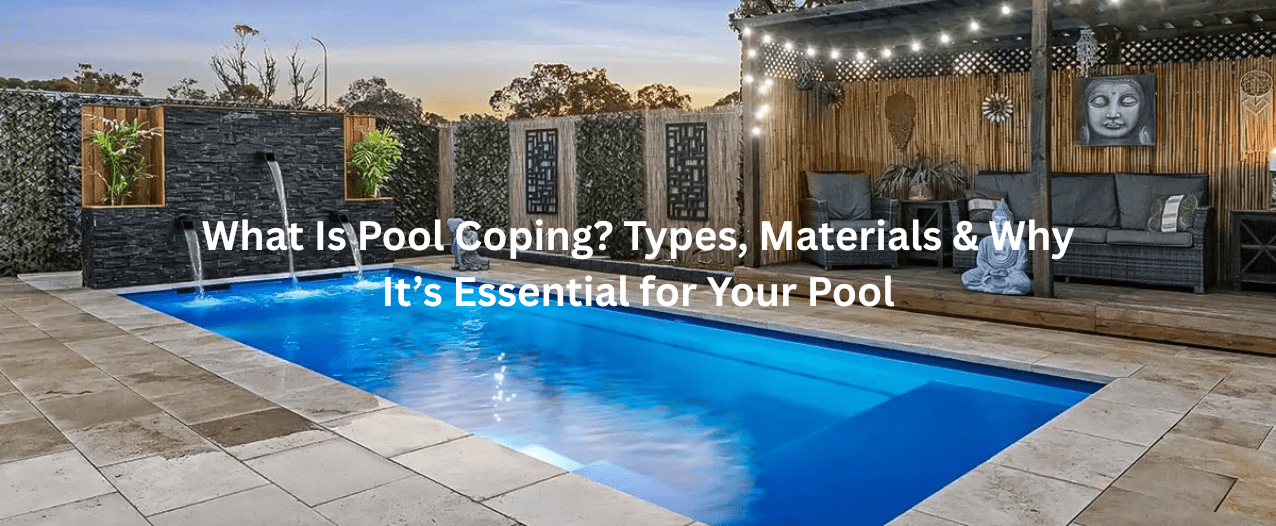
Pool coping is exactly the part that wraps around the top of your pool (perimeter). It isolates the pool from the deck or backyard and covers the pool’s construction.
It keeps everything in place and gives it a polished appearance, much like the rim of a coffee mug. Things spill, get disorganized, and the entire experience feels lacking without that rim. But it goes beyond appearances.
Coping offers swimmers a secure edge to grasp while entering or exiting the pool, prevents water from leaking into the shell, and lessens damage to the pool’s construction. It also gives the impression that everything is much more put together.
Different Types of Pool Coping
Let’s go on to the enjoyable portion, after knowing what is pool coping. When it comes to pool coping, there is no one-size-fits-all solution. There are alternatives available to you, and each one has unique advantages.
1. Top-Mount Coping (C-Channel Coping)
This is the most typical for pools with vinyl lining. It provides a pleasant, rounded appearance by resting on top and slightly overhanging the pool’s edge.
Why Pick It?
- It is inexpensive and simple to install.
- It may be used with a variety of pool deck materials.
2. Flat-Mount Coping
With pavers or stone set immediately on top, this one is smooth and flat with the pool wall. It’s ideal for a smooth, simple design.
Why Pick It?
- It appears sleek and contemporary.
- Makes your deck and pool seem more connected.
3. Cantilevered Coping
Here, a straight, clean line is formed by the concrete deck protruding over the edge of the pool. This is for people who enjoy a chic, personalized style.
Why Pick It?
- Beautiful and clean.
- Size and form can be altered.
4. Bullnose Coping
Bullnose coping is smooth and rounded if you want a more conventional look. This basic option complements any pool design.
Why Pick It?
- Offers a smooth, protective edge that is comfortable to walk on.
- Traditional and timeless.
5. Rough-Cut Stone Coping
Rough-cut stone gives your pool a rough, textured edge for a more organic, earthy feel.
Why Pick It?
- Very suitable for rustic or natural pool designs.
- Makes the pool feel more in tune with nature.
Why Pool Coping Is More Than Just a Finishing Touch
Although pool coping may appear to be a minor element, neglecting it will be a costly error. Suppose you create an amazing pool. The water is pristine, the tiles are gorgeous, and at night, you can even see LED lights.
However, the edge is either incomplete or made of the incorrect material. In addition to being unpleasant and slippery, it now cracks and lets water into areas it shouldn’t, whenever someone goes by or leans on it.
All of a sudden, the ideal pool begins to appear somewhat rough around the edges. The entire building is protected by coping. It prevents slippage and sliding, helps channel water away appropriately, and preserves the shell.
Pool Coping Materials: Finding the Perfect Match
Choosing the material for your pool coping is similar to choosing the correct dress; it must fit your lifestyle and the look of your complete garden.
1. Concrete
Concrete is versatile and affordable. You can choose between poured concrete or precast concrete coping. It’s like the reliable pair of jeans of the pool world.
Best For:
- Budget-conscious pool owners.
- Modern and minimalist designs.
2. Natural Stone (Sandstone, Limestone, Bluestone)
- The premium choice is natural stone. It’s gorgeous, heat-resistant, and long-lasting.
- Best For: The Sandstone pier caps are best for pools with a refined, classic design.
- Those who desire style and durability.
3. Brick
- Brick coping is a great option if you want a more classic or vintage look. It looks warm and inviting and is long-lasting.
- Good For: Pools with a traditional or Mediterranean design.
4. Pavers
- Pavers are available in a wide variety of sizes, shapes, and colors and are modular. They provide you with design freedom and control.
- Perfect For: Do-it-yourself and anyone seeking a personalized appearance.
5. Tile
- Tile coping is particularly common for waterline margins and gives a decorative touch.
- Good For: Ornamental, mosaic-inspired patterns.
End Note
You now understand what is pool coping. It is more than simply a decorative element. It maintains your pool’s durability, safety, and aesthetic appeal.
Maroota Sandstone may be the perfect option if you’re looking for something classic, long-lasting, and full of organic charm.
Crafted to withstand Australian climates, sandstone cappings are rich in texture, locally produced, and deliver the perfect balance of style and functionality straight to your garden.
FAQ’s
1. What is pool coping?
Ans: It’s the protective edge around your pool that finishes the look and keeps everything in place.
2. How much does pool coping cost?
Ans: Cost can vary, but you’re looking at $8–$12 per linear foot for concrete, while natural stone can go up to $50 per linear foot.
3. Can I install pool coping myself?
Ans: It’s doable for some types (like pavers), but if you’re doing something custom or complicated, it’s best to hire a pro.
4. How long does pool coping last?
Ans: With proper care, most materials will last 20+ years. It’s one of those “set it and forget it” investments.
5. What’s the best material for pool coping?
Ans: It depends on your style and budget. Natural stone is gorgeous but expensive, while concrete is reliable and affordable.
No responses yet