Ever picked up a rock during a hike or while digging in your garden and thought, “Huh, this looks kind of cool”? We all did that once when we walked past an old stone wall near a beach. The stone had this warm, earthy color and rough, gritty texture, it felt like it held centuries of stories.
Turns out, it was sandstone. And let us tell you, once you start noticing it, you see it everywhere. Buildings, garden paths, even those dreamy desert canyons people post on Instagram.
If you’ve ever found yourself wondering what type of stone is sandstone, or why it looks so unique, you’re not alone. Let’s break it all down, no fluff, just a real talk about how this stone forms, why it’s different, and why people actually care about it.
What Type of Stone Is Sandstone?
So let’s get right to it, sandstone is a sedimentary rock. And yep, it’s pretty much what it sounds like. Made from sand (real sand) that’s been squished and cemented together over millions of years. Like a nature-made granola bar, but with grains of quartz and feldspar instead of oats.
That means this rock wasn’t formed in a volcano or deep under the Earth’s crust like some flashy igneous rocks. Sandstone is more of a “slow and steady” kind of stone. It forms in places where sand gets dumped, rivers, beaches, deserts, and over time, all that loose sand turns into something solid thanks to pressure and natural mineral glue.
So, next time someone asks what type of stone is sandstone, just say: “It’s the chill, layered type. Sedimentary, solid, but full of stories.”
How Does Sandstone Form?
Okay, think about this: You’re at a beach. Waves crash, tides pull back, and sand shifts constantly. Now freeze-frame that for a second and stretch it out over millions of years. Layers of sand settle.
More sand piles on top. Water with minerals trickles through the layers. The pressure builds. Eventually, you’ve got rock. That’s how sandstone forms.
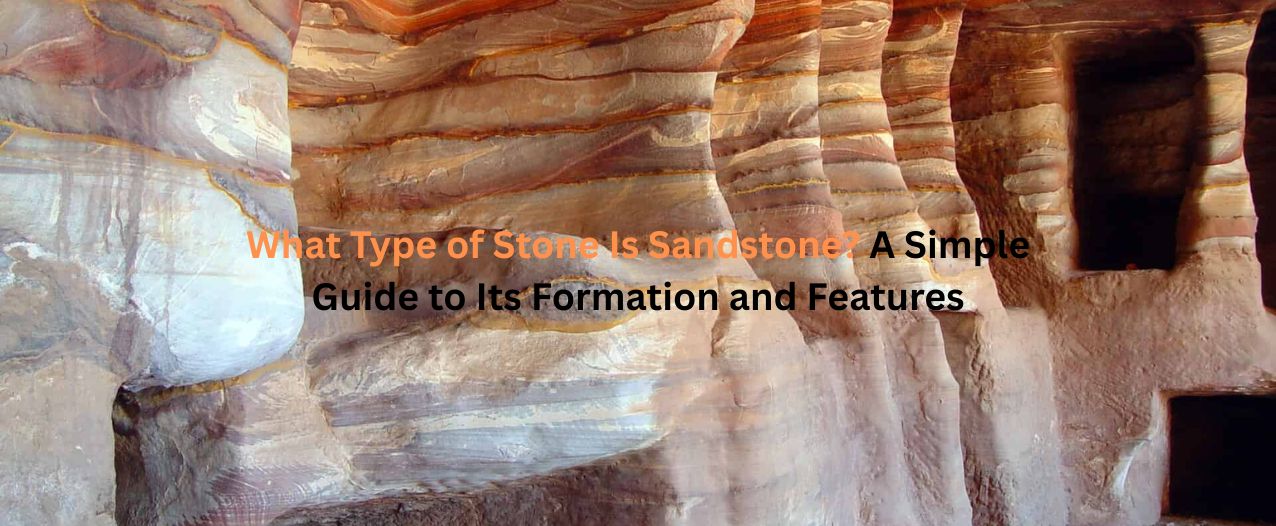
And the cool part is, it depends on where and how it forms, it can look super different. Red sandstone from deserts gets its color from iron oxide. Similarly, white sandstones are mostly quartz. It’s like nature’s version of mixing paint, but with pressure and time.
Also, some sandstones even hold fossils or ripple marks, like snapshots of ancient Earth. So yeah, you could be walking on stone like retaining wall blocks that once sat at the bottom of an ancient sea or under the feet of dinosaurs. Wild, right?
What Makes Sandstone Different From Other Stones?
Now, here’s where it gets interesting. Not all rocks or block retaining walls are created equal.
Texture-Wise
Sandstone has that gritty feel. If you’ve ever touched a stone and thought it felt like fine sandpaper, that was probably sandstone. It’s different from limestone (which feels smoother) or granite (which is way harder and more sparkly).
Color-Wise
Sandstone wins the vibe game. From soft creams to bold reds and even purples, it’s got range. This makes it a favorite for design geeks and architects who want natural beauty with a story.
Porosity
It is another biggie. Sandstone can absorb water because of its tiny gaps between grains. It’s not a sponge, but it does breathe more than, say, marble. That’s great for some landscaping uses, but maybe not so great for super wet environments unless it’s sealed.
Layers
It’s also got layers. Literally. You can often see lines in sandstone that show how it formed over time. Those lines are like chapters in a rock’s life.
Pros and Cons of Sandstone
Alright, let’s talk real-life use. Because knowing the science is cool, but also but why should you care about sandstone?
Pros:
- It looks amazing. Seriously. It gives a natural, earthy vibe that just works.
- It’s easy to work with. Builders and sculptors love it because it’s not too hard to shape.
- Keeps cool or warm, depending on where you are. It’s got decent insulation powers.
- It ages well. Think of old castles or temples. A little weathering just adds character.
Cons:
- It can wear down. Especially in areas with harsh freeze-thaw cycles or acid rain.
- Needs sealing. If you’re using it for countertops or flooring, it needs some TLC.
- Not as tough as granite. So maybe not ideal if you’re a bit rough on your kitchen surfaces.
Wrapping Up
So yeah, sandstone is kind of like that stylish but low-maintenance friend. Reliable, not flashy, but always brings something to the table.
Read Also: Using Sandstone for Wall Cladding: A Natural Choice for Australian Homes
By now, you’ve probably realized sandstone isn’t just “some rock.” It’s a snapshot of Earth’s history, a builder’s favorite, and a surprisingly versatile material that brings both beauty and function.
And when someone casually asks you, “Hey, what type of stone is sandstone?” You’ll know it’s more than just a sedimentary rock. It’s a natural storyteller. One that’s been shaped by time, tide, and terrain.
Also, if you are looking to upgrade your landscape products than look no other than Maroota Sandstone. We have variety of landscaping products made up of sandstone that can last for generations. So, what you are waiting for? Buy sandstone products today and bring back the natural allurenss back again.
FAQ’s
Ans: It’s a sedimentary rock formed from sand particles cemented together over time. Nature’s version of pressed layers.
Ans: Totally. Just make sure it’s sealed if it’s going in a wet area like a bathroom or kitchen.
Ans: Absolutely. It’s popular in patios, paths, and garden walls. Just be aware it might weather faster in tough climates.
Ans: Yep, everything from tan and cream to bold reds and even purple tones. Depends on what minerals are in it.
Ans: It’s a natural material, so yes. Plus, it doesn’t need a ton of processing compared to man-made materials.
No responses yet